中文
中文 English
 français
 español
 русский

Across Southeast Asia, governments are stepping up efforts to reduce single-use plastic waste, with more countries and cities introducing restrictions on disposable plastic products. As the region moves from plastic reduction initiatives toward stricter controls and bans, restaurants, food delivery businesses, retailers, and distributors are actively searching for sustainable alternatives. This regulatory shift is creating new opportunities for Chinese manufacturers of plant-based food packaging, particularly in the rapidly growing Bagasse Tableware market.
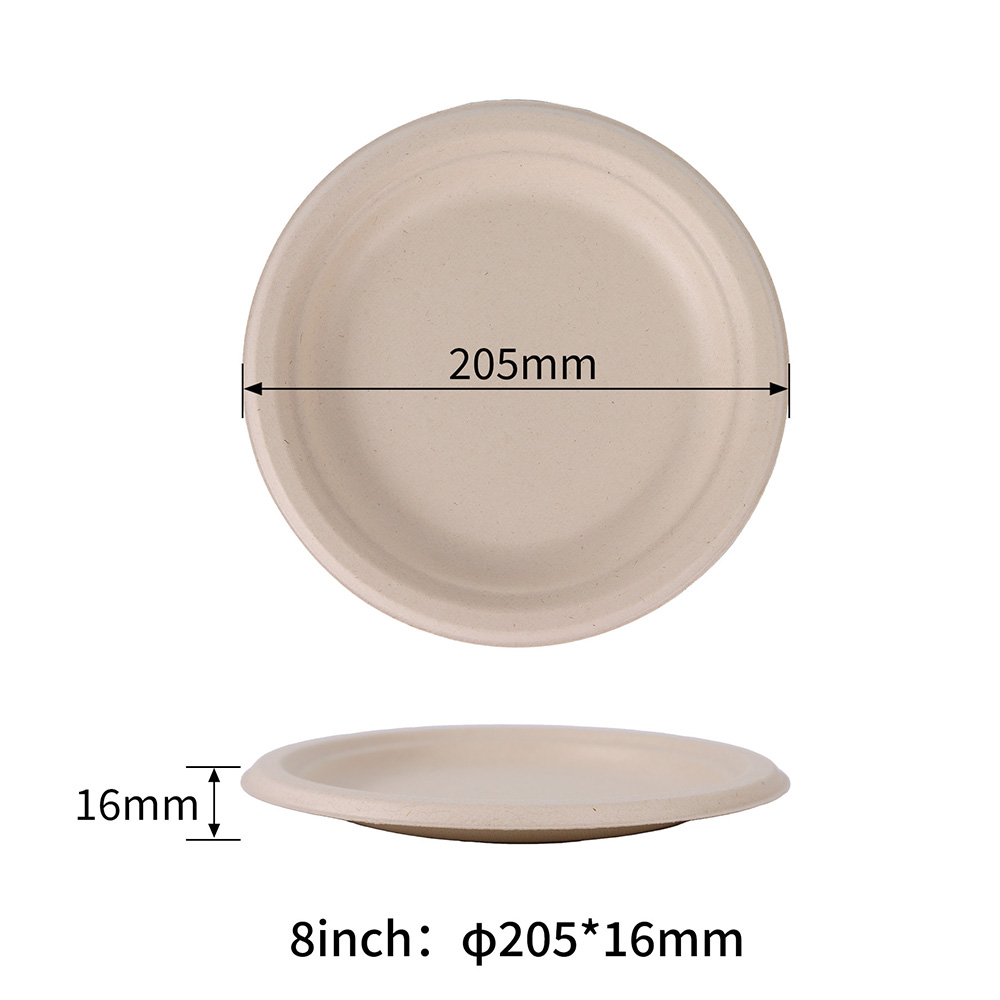
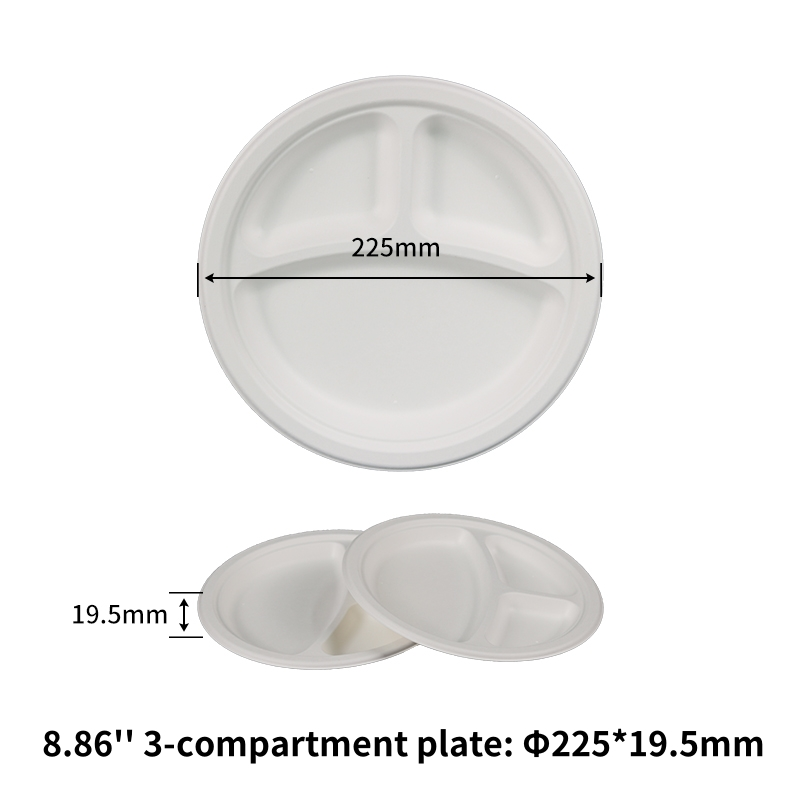
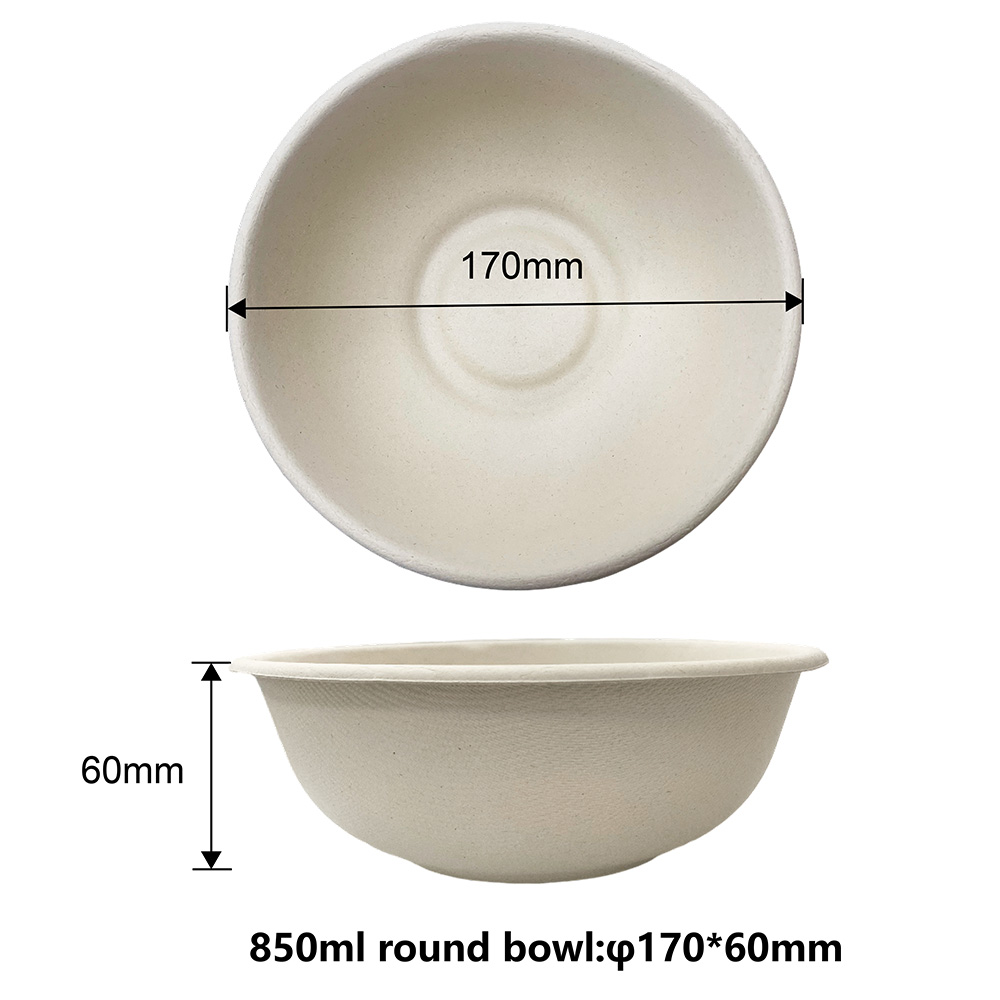
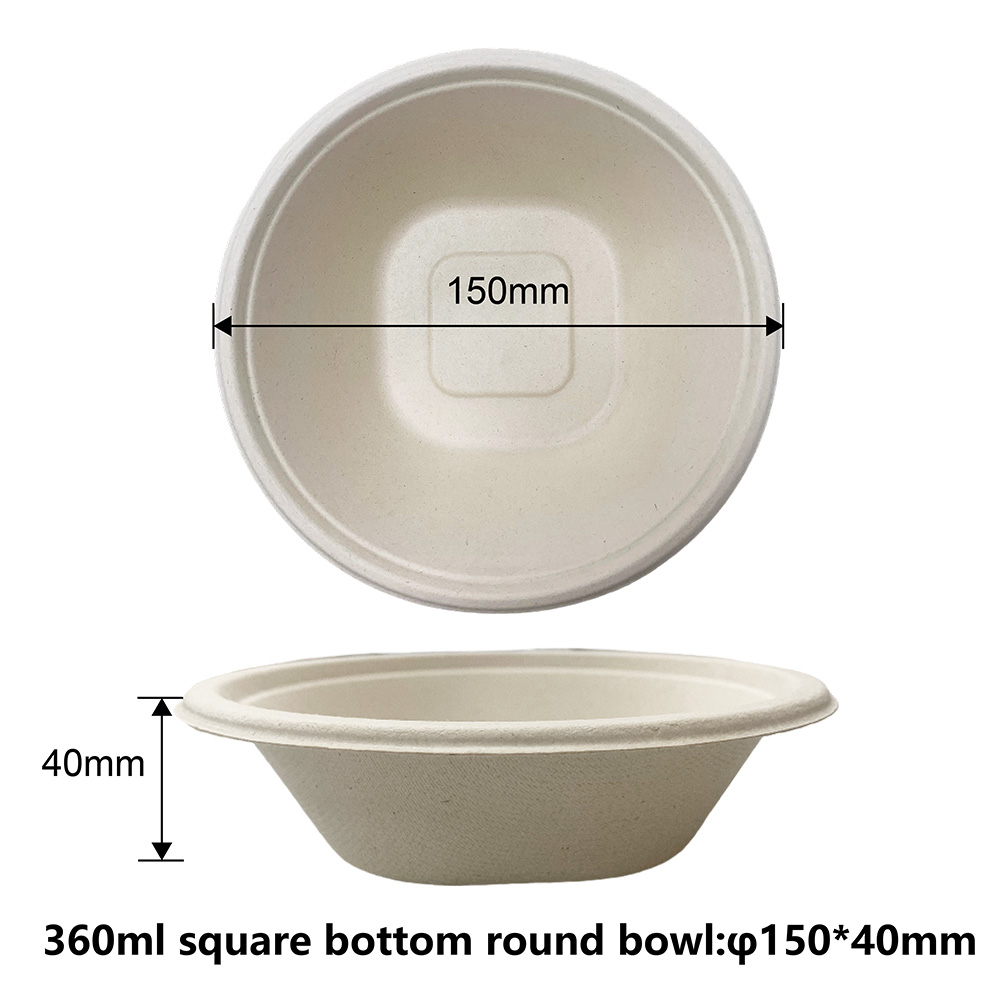
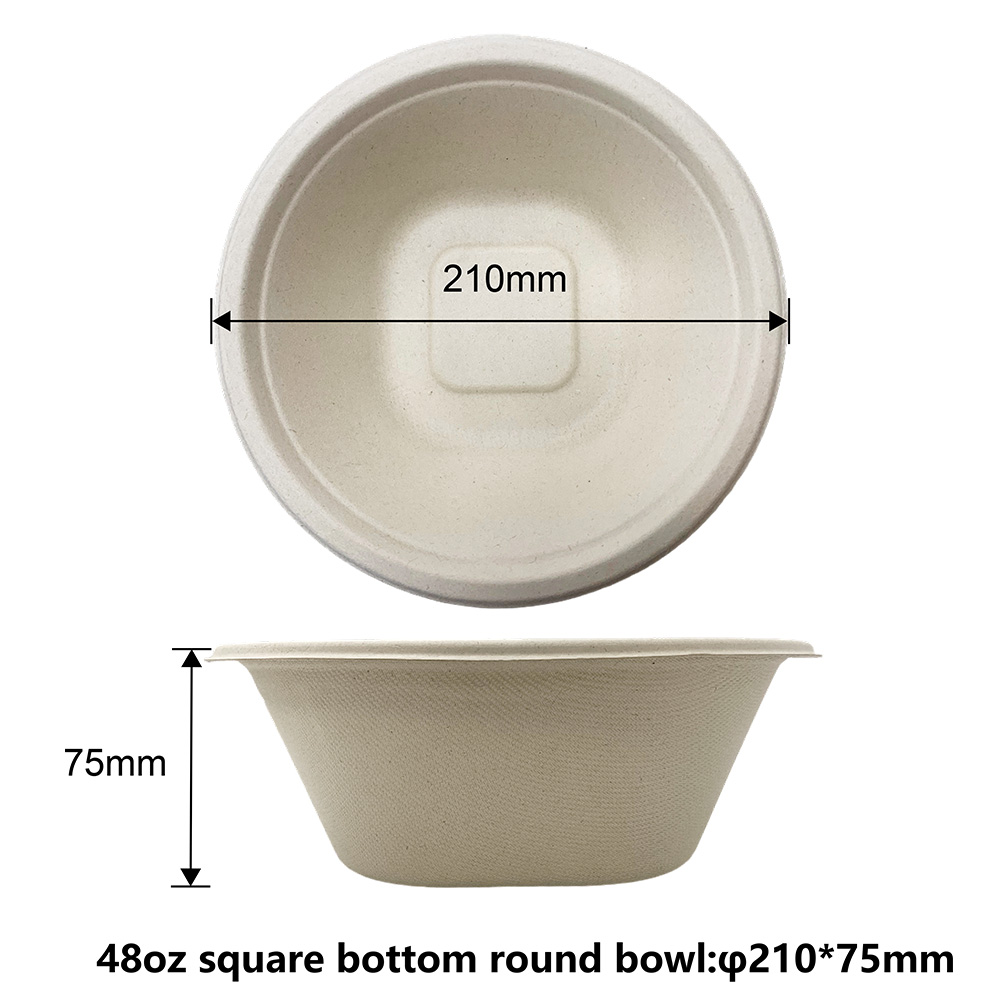
The expansion of food delivery and takeaway consumption has further increased demand for environmentally responsible packaging across Southeast Asia. Products made from renewable sugarcane fiber are becoming an increasingly attractive alternative for everyday food service applications. sugarcane biodegradable plates,bowls,clamshell,cup can serve restaurants, cafés, catering businesses, food delivery platforms, and takeaway operators, giving businesses a practical way to respond to changing packaging requirements while meeting growing consumer expectations for greener products.
As plastic restrictions become more widespread, demand is also shifting from individual purchases toward larger commercial supply contracts. Restaurant groups, distributors, and food service companies are increasingly seeking wholesale biodegradable tableware for food chains to support multiple locations and long-term sustainability programs. China's mature manufacturing supply chain gives international buyers access to a broad selection of plant fiber products, stable production capacity, and competitive sourcing options.
Takeaway packaging is another area experiencing rapid transformation. Businesses across Southeast Asia are increasingly introducing eco-friendly takeaway boxes as part of their efforts to reduce reliance on conventional plastic packaging. Meanwhile, supermarkets and retailers are expanding their sustainable packaging selections for prepared meals, bakery products, fresh foods, and ready-to-eat products, creating additional opportunities for compostable food packaging for supermarkets.
For Chinese manufacturers, Southeast Asia is becoming an increasingly important export market for sustainable food packaging. Its geographic proximity, expanding food service industry, and accelerating environmental policies make the region particularly attractive for long-term cooperation. As more buyers look beyond short-term product sourcing and focus on reliable supply partners, manufacturers with international experience and a diverse product portfolio are gaining an advantage.
Sincere Eco Tech company provides molded fiber tableware made from renewable sugarcane pulp for customers in international food service and retail markets. With Southeast Asia's transition from plastic restrictions toward stricter controls, demand for sustainable alternatives is expected to continue rising. For Chinese suppliers, this shift represents not only a new export opportunity but also a chance to become long-term partners in the region's transition toward more sustainable food packaging.