中文
中文 English
 français
 español
 русский

As global consumption concepts continue to upgrade, health awareness and environmental protection demands have become core drivers reshaping the catering and packaging industries. Traditional plastic disposable tableware is gradually phased out amid stricter plastic restriction policies and rising public health concerns. Against this backdrop, bagasse tableware, made from natural sugarcane fiber, has stood out rapidly and won wide recognition in the high-end catering, luxury takeaway and premium retail sectors. Featuring food-grade safety, excellent biodegradability and reliable performance, it has evolved from an alternative product into a mainstream choice for high-end markets worldwide.
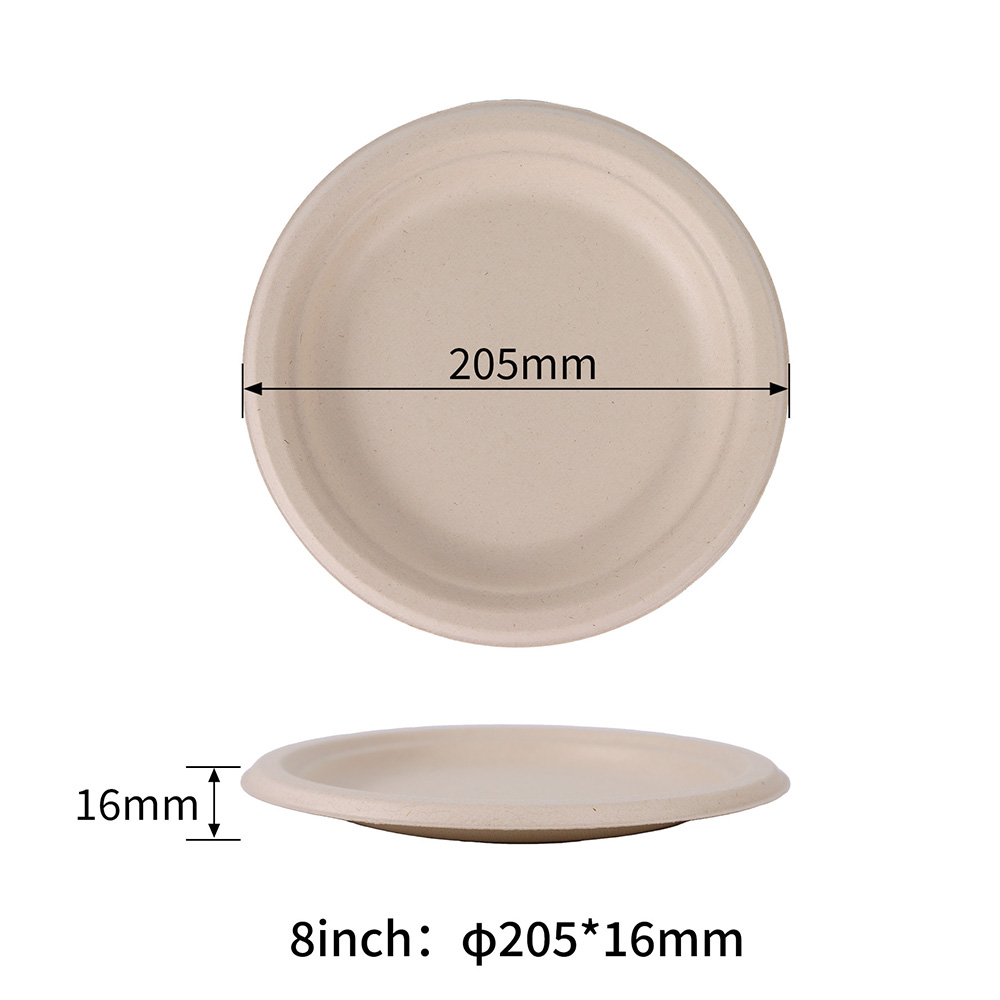
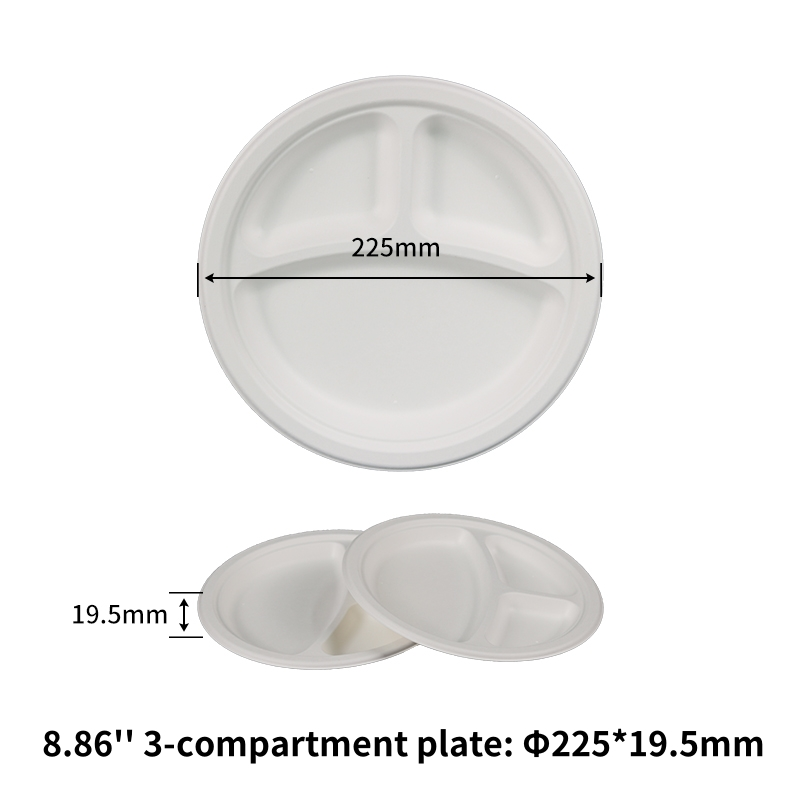
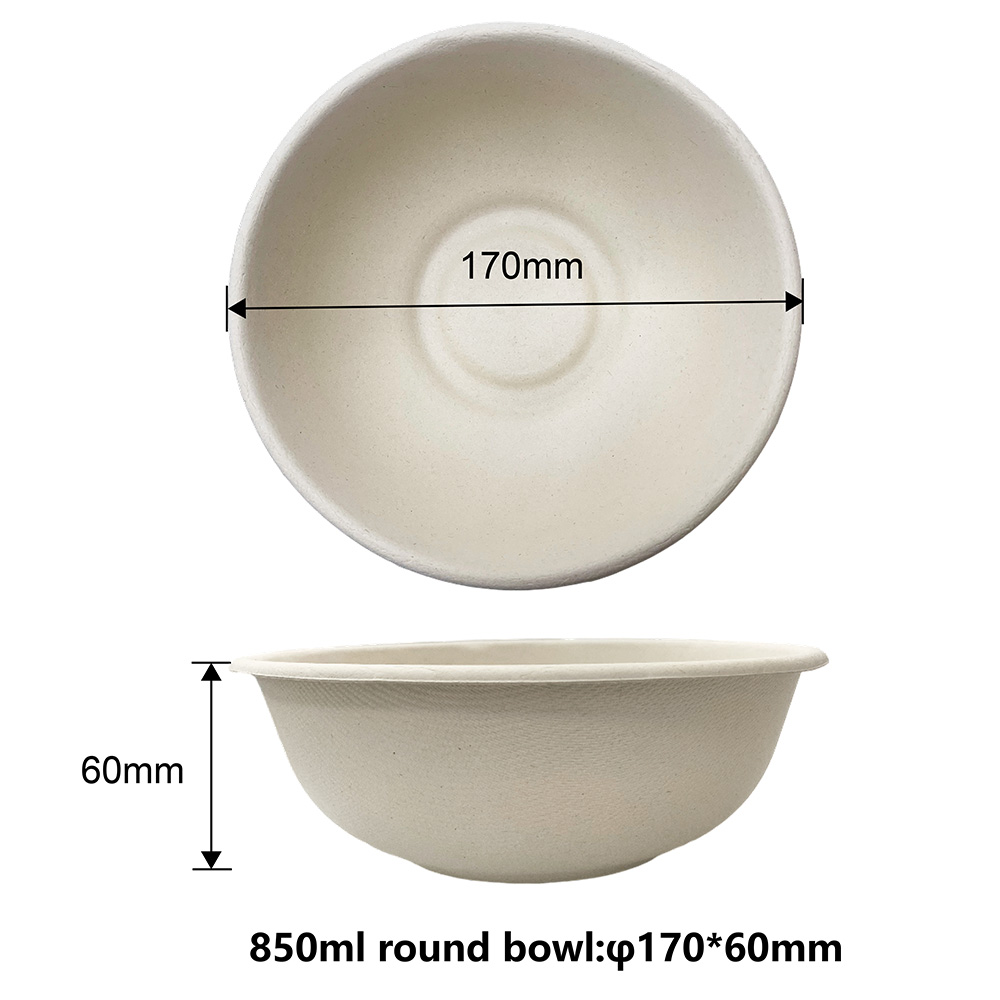
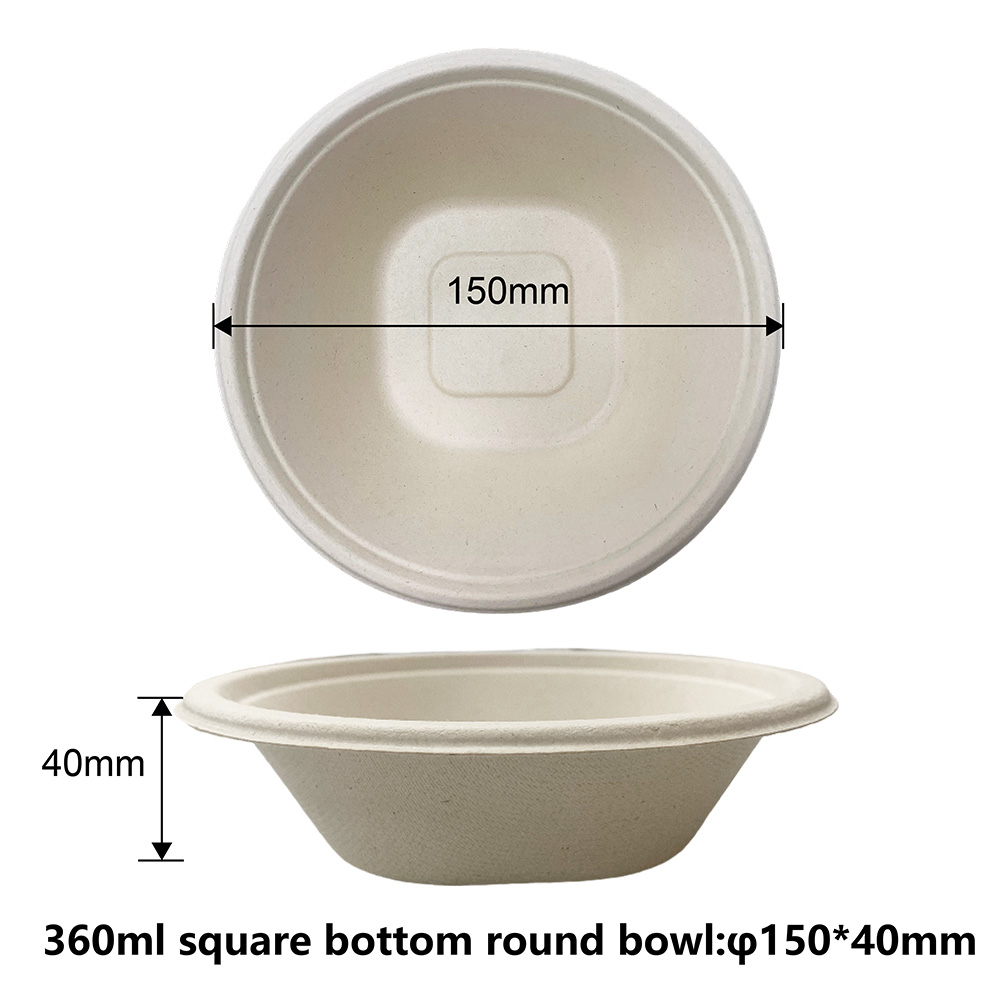
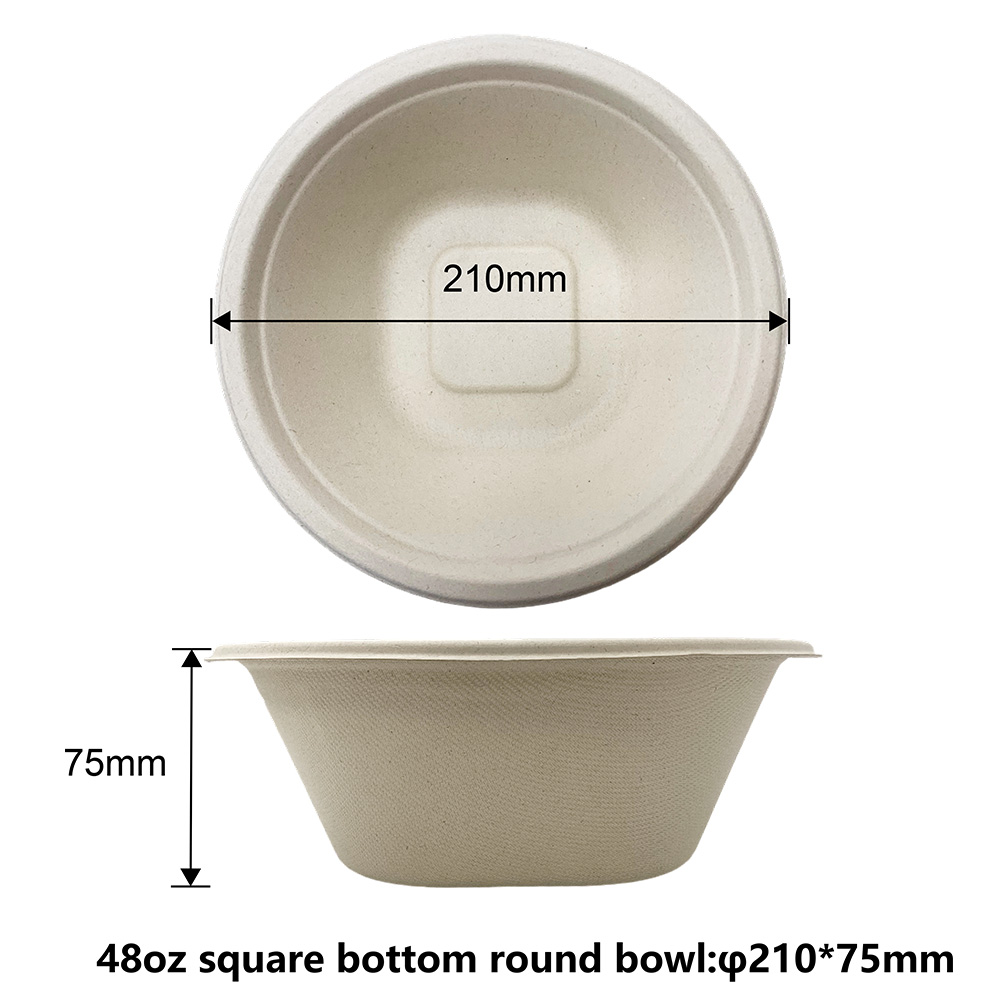
The booming demand has greatly energized the bagasse tableware product market. Market research indicates that the sector maintains steady growth momentum, fueled by global sustainability regulations and the expansion of the food service industry. Diversified product lines meet differentiated commercial needs,sugarcane biodegradable plates are widely adopted by high-end restaurants, banquet services and catering events for their elegant texture and stable load-bearing capacity. Meanwhile, sugarcane bagasse bowls are favored by light food stores, dessert shops and organic food brands, perfectly matching the positioning of healthy and premium dining experiences.
For takeaway and fast-casual scenarios, functional eco-friendly products have become essential. Bagasse clamshell stands out for its tight sealing, heat resistance and oil-proof performance, ideal for packing hot meals, sandwiches and snacks in high-end takeaway chains. Together with versatile eco-friendly takeaway boxes, these items have replaced conventional plastic containers in numerous premium food delivery platforms and boutique cafes. All these products are made from pure sugarcane bagasse, requiring no harmful chemical additives and fully complying with international food safety standards, which is a key reason why high-end merchants prioritize plant-based disposable tableware.
Beyond product performance, the value of circular economy further consolidates the market advantages of bagasse tableware. Derived from sugarcane processing residues, the raw material is renewable and fully compostable under natural conditions, leaving no persistent pollution to the environment. As more high-end brands emphasize green branding and sustainable operation, the adoption rate of bagasse tableware keeps climbing across Europe, North America, Oceania and other regions. Moving forward, with continuous technological optimization and richer product specifications, the bagasse tableware product market will embrace broader prospects, leading the whole disposable tableware industry toward a healthier, greener and more high-quality development direction.